


by: SEO Strategist
Ashot Nanayan
Updated March 29, 2026
9 min. read

WhatsApp
 (+1) 818 355 1889
WhatsApp
(+1) 818 355 1889
WhatsApp
(+1) 818 355 1889
WhatsApp
(+1) 818 355 1889
WhatsApp
(+1) 818 355 1889
It’s been more than a year now that everyone has been discussing AI search engines, seeking generative engine optimization (GEO) services, or attempting to appear at the top of AI overviews or get listed in ChatGPT or Perplexity.
Back in October 2024, my team and I decided to stop just watching the trends and get our hands dirty. We started digging into how LLMs work, testingdifferent ideas, breaking a few things, and collecting wins and painful failures along the way.
By the way, here are some of our LLM SEO wins
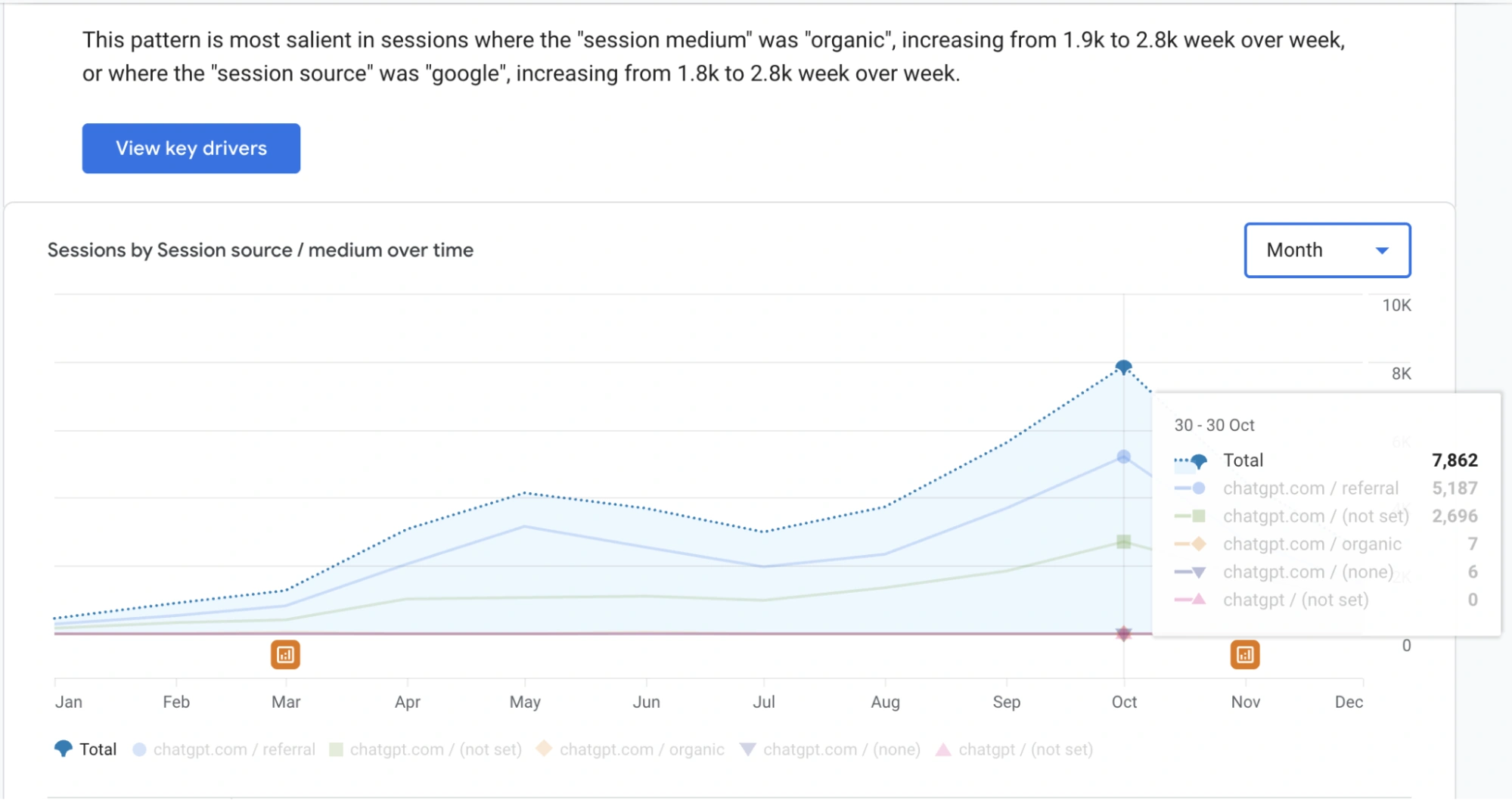
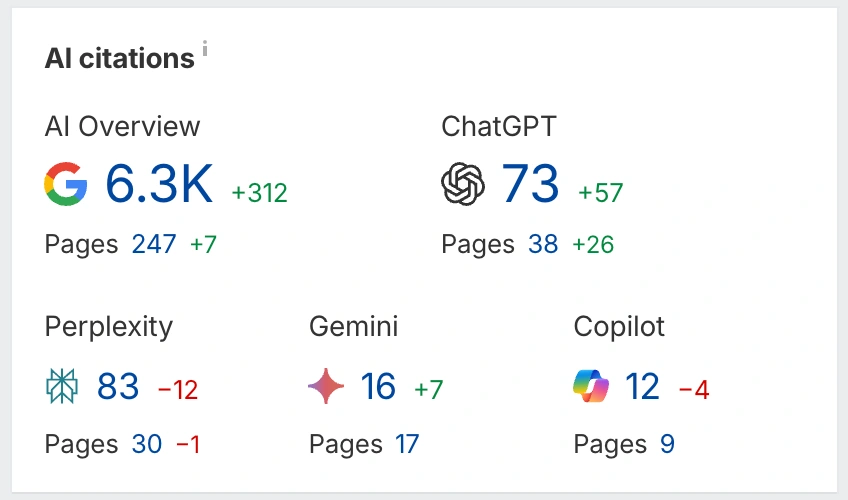
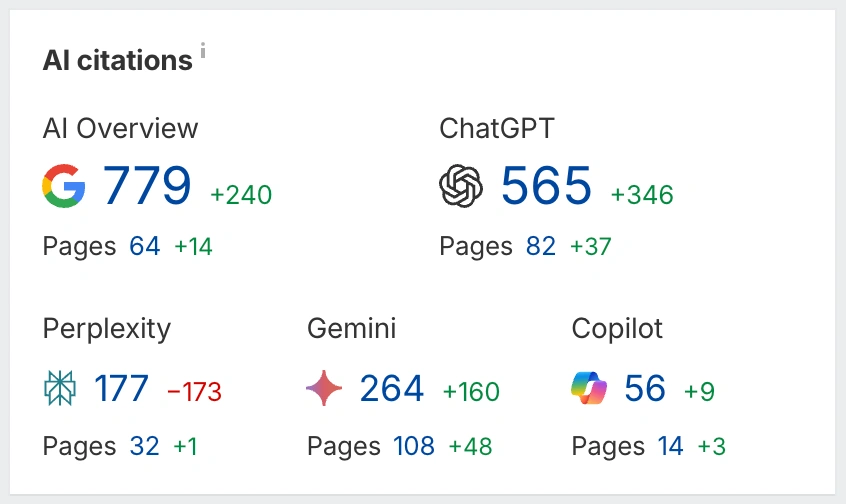
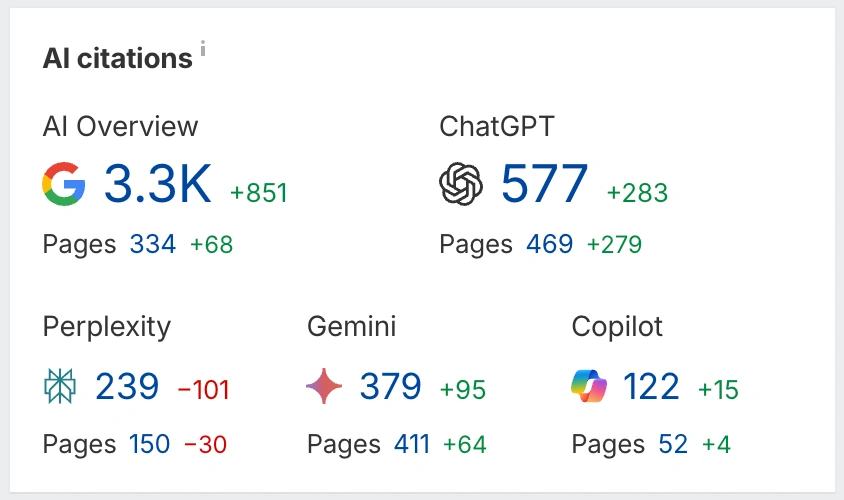
Today, we already have some data, a few proven playbooks, and some hard-earned lessons that have helped our clients generate leads and earn more visibility inside LLMs.
In this guide, I’m going to share those lessons with you, so you can skip some of the mistakes we made and double down on the approaches that worked for our clients. If you’re ready, let’s get straight into it.
When I say “LLM SEO”, I’m talking about how we make your brand easier to find and easier to trust inside tools like ChatGPT, Gemini, Perplexity, and similar platforms.
Some people call it generative engine optimization, generative AI SEO optimization, AI overview optimization, ChatGPT SEO, Gemini SEO; the names are different, but the idea is the same. It’s still search, just not in the classic Google sense.
LLM itself means “large language model”. In normal language, it’s a system that has read an insane amount of text and can answer questions in a very natural way.
When someone asks, “What are the best tools for X?” or “Which companies can help with Y?”, it doesn’t scroll Google like a human. It picks from what it already knows, what it keeps seeing across the web, and which brands and pages look consistent, clear, and trustworthy.
Traditional SEO is mostly about rankings: how high you are on Google for a specific keyword, how many clicks you get, how your snippets look, and so on.
LLM SEO feels a bit different. Here, the question is not “What position do I have?” but “Does this system even know I exist? Does it consider my content strong enough to mention when someone asks a question in my niche?”
It’s less about tracking positions and more about becoming one of the few brands that get referenced again and again.
A lot of people ask these tools for agency suggestions, software ideas, product comparisons, and even buying decisions before they open a single Google result.
That’s why, for my team, LLM SEO is not a side project or some “future trend”. It’s already part of how we think about search for our own AI SEO agency and for our clients.
A little over two years ago, I started seeing the same pattern everywhere: people suddenly wanted “AI SEO services”, “ChatGPT SEO”, “GEO services”, you name it. My feed was full of it.
I followed what people were sharing, and every day on my LinkedIn, there was a new “AI SEO case study”.
The problem was that a lot of those SEO case studies felt very odd. No screenshots, no solid before/after data, just generic tips like “add LLM-friendly text” or “update your content for AI”.
Some people were confidently saying, “It’s exactly the same as traditional SEO”, while others claimed you need a completely different playbook. At some point, reading opinions wasn’t helping anymore.
You know, I’m not the type of person who can just sit and listen to theories for years. I prefer to test things once instead of hearing about them ten times. So we decided to make LLM SEO one of our core focus areas and, by the end of 2025, one of our main services.
But before offering it properly, I didn’t want to just sell some generic “AI SEO package” and hope for the best.
That’s why we ran these experiments. We wanted our own data, not borrowed slides from someone else’s presentation.
We wanted to see what changes compared to traditional SEO, where the overlap is, and where the approach has to be different. Along the way, we had tests that went nowhere, but we also had campaigns that brought results for our clients.
For a lot of people, “LLM visibility” means traffic coming from AI search engines like ChatGPT, Perplexity, or whatever tool is trending this month. But for us, it’s only one part of the story.
When we talk about LLM visibility at our agency, we mean a few different things working together. First, it’s when your brand is named in answers.
For example, if someone asks, “Who are the best SEO agencies in LA?” and we’re at the top of that list, that’s LLM visibility.
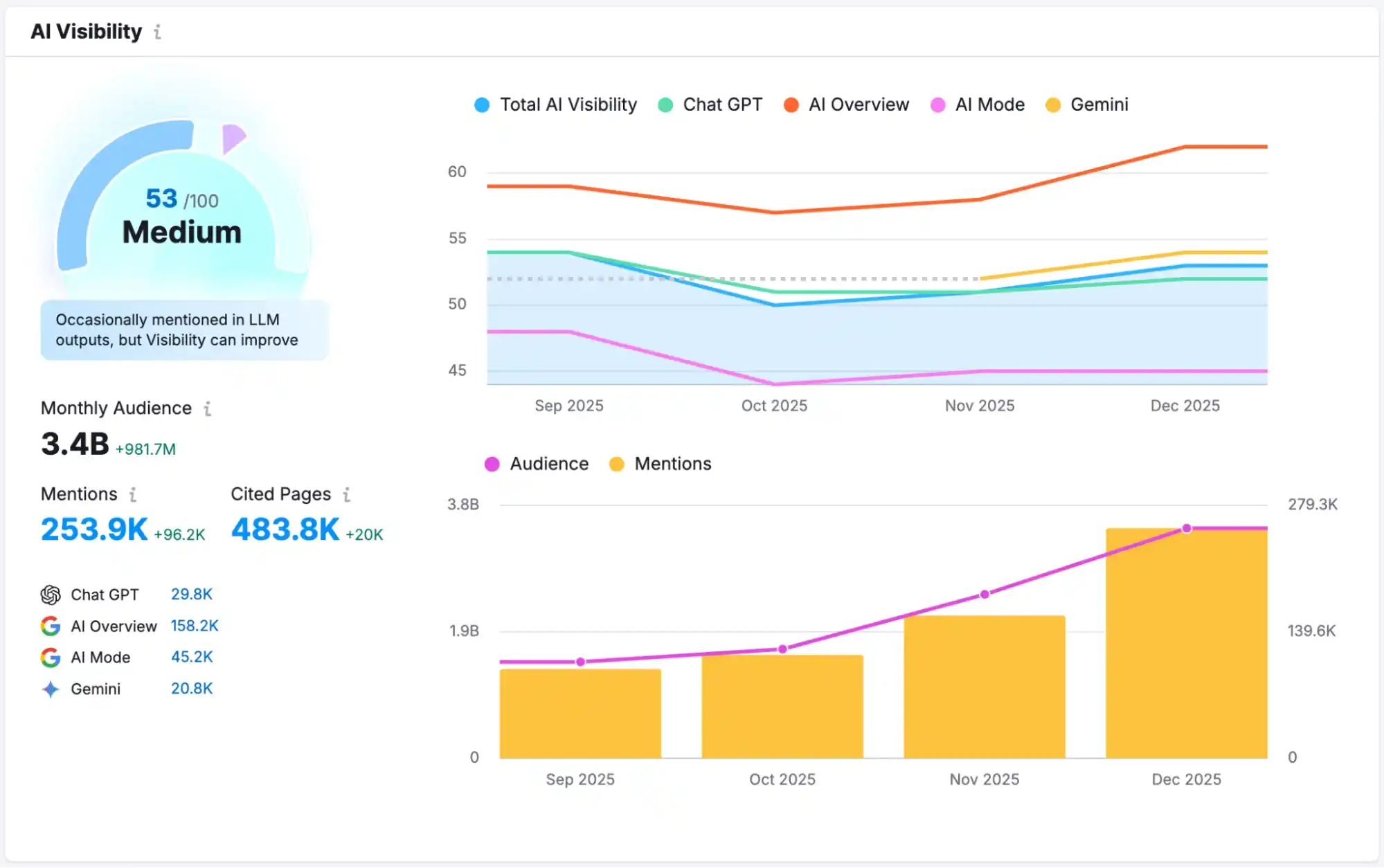
Second, it’s what happens with our content. We publish a lot of statistics, breakdowns, and more “data-style” articles. When such content gets cited inside ChatGPT answers, and later we notice new backlinks pointing to those pages, that’s also LLM visibility doing its job.
Third, it’s the feedback we get directly from clients. More and more often, when we ask, “By the way, how did you find us?” we hear something like, “We asked ChatGPT for SEO agencies, and you were one of the first names there.”
Of course, we also include AI overviews in this picture. When we see Google’s AI Overviews sending traffic to our site or to a client’s site, we count that as part of the same work.
So when I say “LLM visibility”, I don’t just mean one traffic source in Google Analytics. I mean brand mentions, citations, backlinks, leads, conversations, and real business that come from these systems quietly recommending you in the background.
I kept hearing the same advice again and again: “If you answer the main question in the first paragraph, LLMs will pick your page as the answer and use you as a source.”
To be fair, this idea is not new at all. Long before LLMs, old-school SEOs (me included) used the same trick for featured snippets. You’d take your main keyword, write a short, clear definition or answer in the first paragraph or two, and hope Google would grab it for that little box on top.
So when people started saying, “Do the same, and you’ll get cited in ChatGPT or Gemini,” it sounded familiar and, in theory, logical. We decided to test it properly.
We rolled out this “answer first” format on many pages across different sites. Not just for LLMs, by the way. It also makes sense for users: they get the main point fast, then they can decide if they want the full story.
Also read: SaaS SEO Case Studies
Here’s what we saw.
For LLMs like ChatGPT and Gemini, this alone didn’t change much. Having a neat answer at the beginning did not turn those pages into a primary source.
In most cases, the pages that got used as sources had something else in common:
deep content, real data, clear funnel intent (case studies, surveys, statistics, bottom-of-the-funnel pages), and strong assets like charts, custom visuals, sometimes interactive elements or tables.
In simple words, the model cared more about what we brought to the table than where we placed our first paragraph.
However, the story is a bit different for AI Overviews. We ran a separate case study on that side, and here I have to admit: answering the main question directly at the top does help.
When we gave Google a clean, direct answer early in the article, it was noticeably easier to be pulled into AI Overviews as one of the sources. So for AI Overviews, this format is still worth doing (Like for paragraph featured snippets), and we’ve seen some positive results from it.
To sum it up:
We still like the “answer first” approach for users and for AI Overviews, but if someone sells it as a hack to get cited by LLMs, I’d be careful. In our tests, LLMs cared a lot more about the strength of the page than the position of the first answer.
If you read any “LLM SEO guide” these days, there’s almost always a section that says something like: “Make sure you have perfect schema markup. LLMs rely on it a lot.”
I kept seeing this everywhere. Articles, LinkedIn posts, agency decks, everyone presents schema as one of the key factors for LLM visibility. So we decided to stress-test that idea with real projects.
For five to six clients, our team went all in on schema. We created and cleaned up almost everything that made sense: article schema for blog posts, FAQ schema for supporting questions, organization schema, and, in some cases, local schema as well.
For Google or Bing, I still see schema as useful, especially for things like product reviews, ratings, and other rich result types. It’s a great way to get extra visibility in classic search and make your result stand out.
But if we’re talking specifically about LLM usage, our experiments so far don’t show schema as a strong factor on its own.
If I had to pick the top three factors that LLMs care about right now, listicle-style articles would be there without any hesitation. I mean those “best X” type pages: “best SEO agencies in the US”, “top SaaS tools for accountants”, “best link-building agencies”, and so on.
I’ve already talked about this in my LLM SEO audit guide, and nothing has changed in my mind. We’ve tested this across many companies, including our own agency.
If you want tools like ChatGPT, Gemini, and others to mention your brand when someone asks for “best [your niche] solutions”, being present in strong listicle articles works.
There’s also a very practical way to use this. You can literally type your dream prompt into ChatGPT, something like “What are the best SaaS tools for accounting?”
Then look at the sources it used to build that answer. Those articles are already on its radar. You can visit those pages, find who published them, and reach out asking to be included in their list.
Sometimes it’s paid, sometimes it’s editorial, sometimes it’s a long conversation, but at least you’re not guessing where to start.
Of course, it’s not always easy to get into every existing listicle. That’s why we also create our own.
In more competitive industries, we’ve seen a clear pattern: once you have dozens of solid list-style pieces across different domains (30+ is a good benchmark), LLMs start mentioning your brand far more often in their recommendations.
Again, I don’t know how long this window will stay open or how the algorithms will change, but right now it works, and it works very well. For us, this is one of those rare areas where I have almost zero doubt.
This one might surprise a lot of people. We all hear about E-E-A-T and how first-hand experience is “everything” now. But based on what we’ve seen across many projects, both Google and LLMs don’t treat it as the number one factor in most industries.
In those spaces, I completely agree it should be a priority.
But we’ve had plenty of clients where we pushed them multiple times to invest in strong first-hand content, written by true subject-matter experts.
For many of them, the cost was simply too high. So we kept a healthy minimum, used our own experience, did proper research, and built content without “pure” first-hand stories on every single page.
A lot of those sites still ranked very well in traditional search and LLM answers, especially in general lifestyle, SaaS, and similar niches.
So you can still do very well with content that is well-researched, clear, and useful, even if it’s not packed with personal stories or expert signatures on every line.
At the same time, I still tell my clients the same thing: forget the algorithm for a second and think about your audience. First-hand input, real stories, screenshots, internal data, and honest opinions make your content more useful and harder to copy.
That’s good for users and, indirectly, good for long-term SEO and LLM visibility too.
Every year, we force ourselves to go back and review older content. Not just a quick scroll, but a proper check: are the facts still correct, are the numbers still accurate, are there better examples, are we missing anything important? In 2025, we did a bigger round of updates for some of our clients’ strongest blog posts.
The same pattern repeated across multiple websites, where we refreshed old content properly, not just changing the date in the title.
I once saw someone on LinkedIn say something like, “If you want to be the first choice for AI overviews and ChatGPT, you should update your content every three months.”
I don’t know if that exact timing is right or wrong, and I’m not a fan of turning it into a strict rule. But based on what we’ve seen, the core idea makes sense: fresh, accurate, well-maintained content seems to be favored both by AI overviews and by LLMs in general.
For me, the main reason to update content is still the user. Nobody wants to read outdated stats from 2021 and pretend they’re relevant to 2026. But this experiment made something very clear: when you keep your pages up to date, you’re not only helping readers, you’re also sending a strong signal to LLMs.
They notice, and in our experience, they reward it.
If you’re looking for someone to take this off your plate and build a proper LLM/AI SEO strategy for you, you can get in touch with our team, and we’ll dig into your site together.
I already talked about this in one of my link-building case studies, but it also became one of our strongest LLM SEO wins.
At the end of 2024, we were working with a B2C SaaS client that didn’t have a big SEO budget for classic off-page work.
Authority was low, but competition was not. So instead of crying about links, we decided to try something different.
We created a handful of statistics pages. One of the first ones was about YouTube Shorts statistics. To be honest, we didn’t expect much. We just wanted to test the concept and move on.
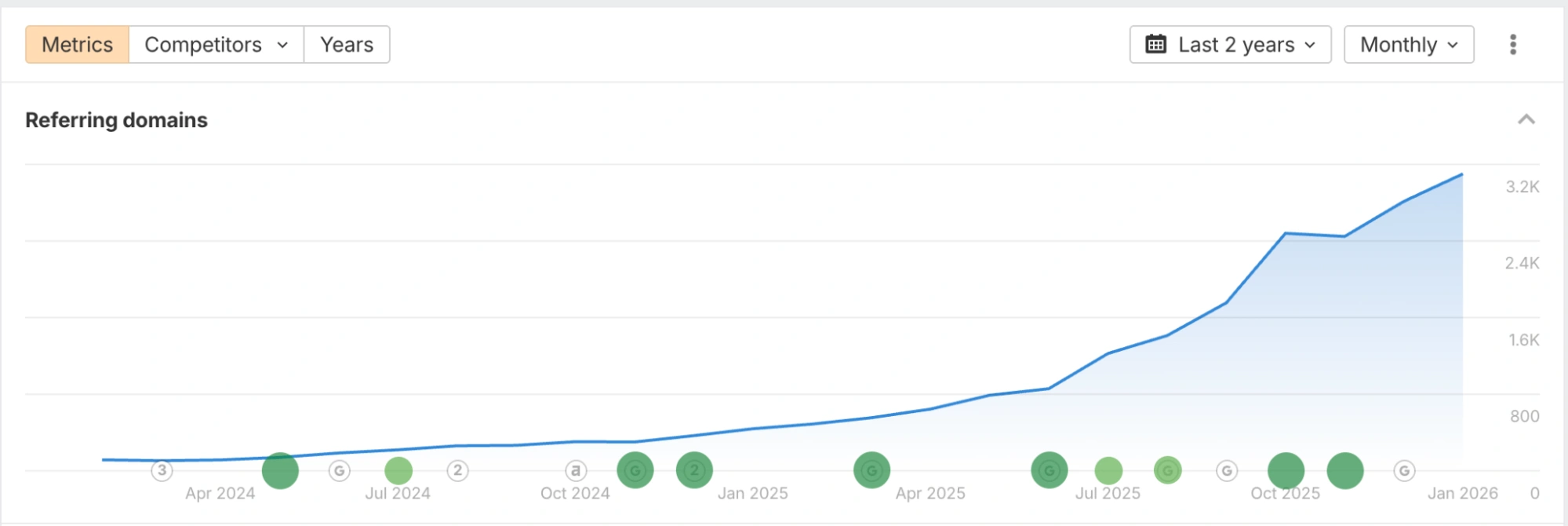
What happened next was a nice surprise. Within a few days, those pages started earning their first organic backlinks.
Because ChatGPT and Copilot cited our linkable assets (Statistics content)
Nobody was begging for links, nobody was doing mass backlink outreach. People just found the stats, used them in their own content, and linked back.
When we realized it was working, we doubled down.
We built over 30 original statistics pages for that project, with clean charts, tables, and properly sourced data. Within eight months, those pages brought in more than 400 backlinks.
Roughly 80% of those links came from content that clearly used LLMs as a starting point. We saw our numbers and charts being mentioned, cited, and paraphrased by writers who were obviously asking tools like ChatGPT, Perplexity, Copilot, and others for “latest stats” and then linking to us.
After that, we repeated the same approach for other clients. Of course, not every industry is equally easy for statistics content, but in SaaS, tech, B2B, healthcare, and similar sectors work.
You don’t even need to be an SEO to feel this one. Reviews help with everything: user trust, sales calls, Bing, Google, ChatGPT – everything. You almost have to close your eyes not to notice it.
But here I want to talk about it from our own agency’s side, because the difference we saw was very clear.
For some reason, our own domain is still not where I want it to be in Google. We have strong content, solid technical SEO, decent authority, and still, the traffic is far from what I’d expect.
Maybe it’s competition, maybe something else under the hood, I’m still not 100% sure. I’m confident it will be fixed, but right now it is what it is.
Also read: How to Recover After Google Dore Update Hit

Even with that, last year we got several clients directly from ChatGPT for high-intent terms like “best SEO migration agencies in Los Angeles” and similar phrases.
These are people who typed those queries inside ChatGPT, saw our agency name in the answer, and then reached out to us.
We started to notice a pattern: this happened after we improved our presence and reviews on third-party platforms.
We didn’t do anything special. We just took our profiles on places like Clutch, G2, Trustpilot (for our SEO course reviews), DesignRush, and a few others more seriously.
We cleaned them up, made sure our descriptions made sense, and actively collected reviews from clients and students. We still don’t have reviews everywhere, we’re not “perfect” at this, but the impact was already obvious.
If you open ChatGPT and ask for the best SEO agencies, the best SaaS tools, or any “best X” type question, in many cases, you’ll notice something: it reads and aggregates data from third-party directories.
Platforms like Clutch, DesignRush, G2, Capterra, and similar sites are often the raw material behind those lists.
So my conclusion is: if you want LLMs to take you seriously, don’t ignore third-party reviews. Create your profiles on the main platforms that make sense for your niche.
It helps with trust, with traditional search, and, based on our experience, with LLM visibility as well.
Recently, this became a funny mini-trend. Every second client comes to us and says something like, “Please don’t forget to also set up our llms.txt file.” I honestly don’t even know who exactly started pushing this idea so aggressively, but you can feel the expectation behind it: add this one file and, suddenly, LLM visibility will explode in a week.
At the beginning, I didn’t really believe in it. It felt like one more object the industry loves to talk about. But I still tested it, because I don’t like to judge something I’ve never tried.
We added llms.txt for a few projects, monitored everything, and waited to see if there was even a small signal that something changed in LLM traffic or mentions.
Nothing. No clear improvement, no meaningful difference, no pattern we could point to and say, “Yes, this helped.” Based on what we’ve seen so far, llms.txt doesn’t make any sense
It doesn’t suddenly make LLMs care more about your site, and it doesn’t fix the basics: content quality, authority, links, reviews, statistics, all the things I talked about earlier.
At some point, it felt like we had tried almost everything, so of course, we also tested forums. We spent time on places like Quora and Reddit, answering questions, joining threads, and leaving thoughtful replies with our expertise.
Part of the idea was classic SEO thinking, part of it was curiosity: could this also help our LLM visibility in any way?
I’ve seen Perplexity, in particular, pull answers and references from forums, so it wasn’t a random guess.
We wanted to see if being active there would somehow push our brand, our content, or our clients’ websites into more LLM answers over time.
So today, I don’t see Reddit, Quora, or similar platforms as opportunities for LLM visibility.
Maybe they are useful for branding, community, and maybe a bit of referral traffic here and there, but if your goal is to be named more often in AI answers, there are much stronger things to focus on than hanging out in threads all day.
We’ve tried a lot of things at this point, and we’re not planning to stop. What works today might stop working tomorrow, or it might suddenly work even better.
But after all these tests with different clients and different industries, there are a few things I’d confidently recommend to anyone who wants better LLM visibility without overcomplicating it.
Improve your content and keep it fresh. Go back to your key pages and blog posts, update the numbers, fix outdated examples, tighten the structure, and make them easier to read.
Make sure your third-party reviews and credentials are connected to your brand. If you have reviews on Clutch, G2, Trustpilot, DesignRush, niche directories, link them from your site and keep them alive.
Start finding ways to appear in “best X” and “top Y” articles in your niche. From everything we’ve tested, this is one of the most direct ways to increase both brand visibility and LLM mentions, especially in B2B and SaaS.
According to statistics, some publishers lose up to 79% of search traffic when their link appears below an AI Overview. If you look at what’s happening in search right now, it’s already obvious that LLMs are taking a piece of the attention that used to belong only to Google.
Usage is growing fast, and I’m pretty sure that in the next few years, tools like ChatGPT and other LLMs will have several times more daily active users than they do today.
That alone is a good reason to stop thinking only in terms of “Google rankings” and start thinking in terms of “How easy is it for any system to understand and recommend my brand?”
I also think the next wave of users changes the picture a lot. Gen Z doesn’t have the patience to open ten tabs, compare features, read long review posts, and build a spreadsheet of pros and cons.
They will want quick, clear answers. Many of them will keep ChatGPT or similar tools on their phones and just speak into it: “Find me the best X for Y”, “Compare these two tools”, “Which agency should I hire for this?” No keyboard, no manual research, just one voice prompt and a ready summary.
If you care about high-quality leads and long-term visibility, you can’t ignore this. It’s not enough to write generic content around a few big keywords and hope for the best.
Also read: eCommerce SEO Case Studies

You need pages that answer very specific, long-tail questions; questions people naturally turn into prompts. You need content that feels useful when someone asks for “the best SaaS tool for…” or “an agency that can handle…” rather than only targeting short head terms.
You also have to stop thinking in terms of “one search engine”. Your brand needs to make sense everywhere. That means Google, yes, but also Bing, YouTube, LLMs, and any place where people search, compare, and make decisions.
Your website, your YouTube channel, your profiles on review platforms, your mentions in listicles – all of that becomes part of the same story. The brands that understand this early and build for it will be a few steps ahead when the rest of the market finally wakes up.
From everything we’ve tested so far, I’d say there’s at least a 60% overlap between traditional SEO and what I’d call LLM or “AI search” SEO. The foundation is still the same: strong content, a visible reputation, and a technically healthy website.
What keeps changing is the logic: which formats LLMs prefer, which sources they rely on, and how quickly they start trusting a brand. What works great today might stop working in a few months, which is why we keep running experiments and adjusting our approach.
For us as an agency, staying up to date is not a nice-to-have; our clients’ results depend on it.
If you’re looking for help with AI SEO, ChatGPT-focused SEO, or you want a proper AI SEO audit to understand where you stand right now, you can always contact us. We’ll go through your current visibility, find the gaps most people don’t see, and build a plan to close them.
There’s no single perfect tool for this yet, so we use a mix of methods. Some tools like Semrush or Ahrefs try to estimate “AI traffic”, and analytics can sometimes show referrals from domains like chat.openai.com, Perplexity, etc., but I don’t rely only on dashboards.
We regularly test prompts that our ideal clients would use and see whether our brand or our clients are mentioned.
We also watch what happens after big experiments: if certain pages get a traffic lift, more brand searches, more backlinks, or clients literally say “we found you through ChatGPT”, that’s LLM visibility for me.
So it’s a mix of manual checks, analytics, and direct feedback.
Also read: Sudden Organic Traffic Drop: Case Study

Yes, backlinks are still important. But for LLMs, I don’t think in terms of old-school “link juice”, dofollow vs nofollow debates, or anchor text tricks.
What matters more is the overall picture: where your brand is mentioned, in what context, and how often strong sites refer to you when they talk about your topic.
When LLMs “learn” who you are, they see your brand name in listicles, comparison posts, statistics pages, directories, and niche blogs.
From what we’ve seen, bottom-of-the-funnel pages work best. Think about comparison pages, “X vs Y” breakdowns, detailed listicles like “best tools for…”, in-depth reviews, strong category guides, and statistics pages.
These are the types of pages people naturally expect when they ask tools like ChatGPT for help choosing something or deciding between options.
LLMs love content that helps them answer those kinds of questions clearly: what to pick, why it matters, and who is a good fit.
Case studies and real “how we did this” stories also help, especially in B2B SEO, but if I had to pick one group, BOFU comparison and list-style pages are easily near the top.
It can, but with conditions. We haven’t run hundreds of programmatic projects yet, but for two SaaS clients where we built programmatic SaaS SEO at scale, it actually helped.
When programmatic SEO is done well, you create a lot of very specific pages that match long-tail prompts and questions. That can give LLMs more reasons to “know” your site in a niche.
But if the quality is low or everything feels like a template with no value, I wouldn’t expect miracles.
